Discover how disability inclusion and NDIS support create equal opportunities through accessibility, assistive technology, and community empowerment.

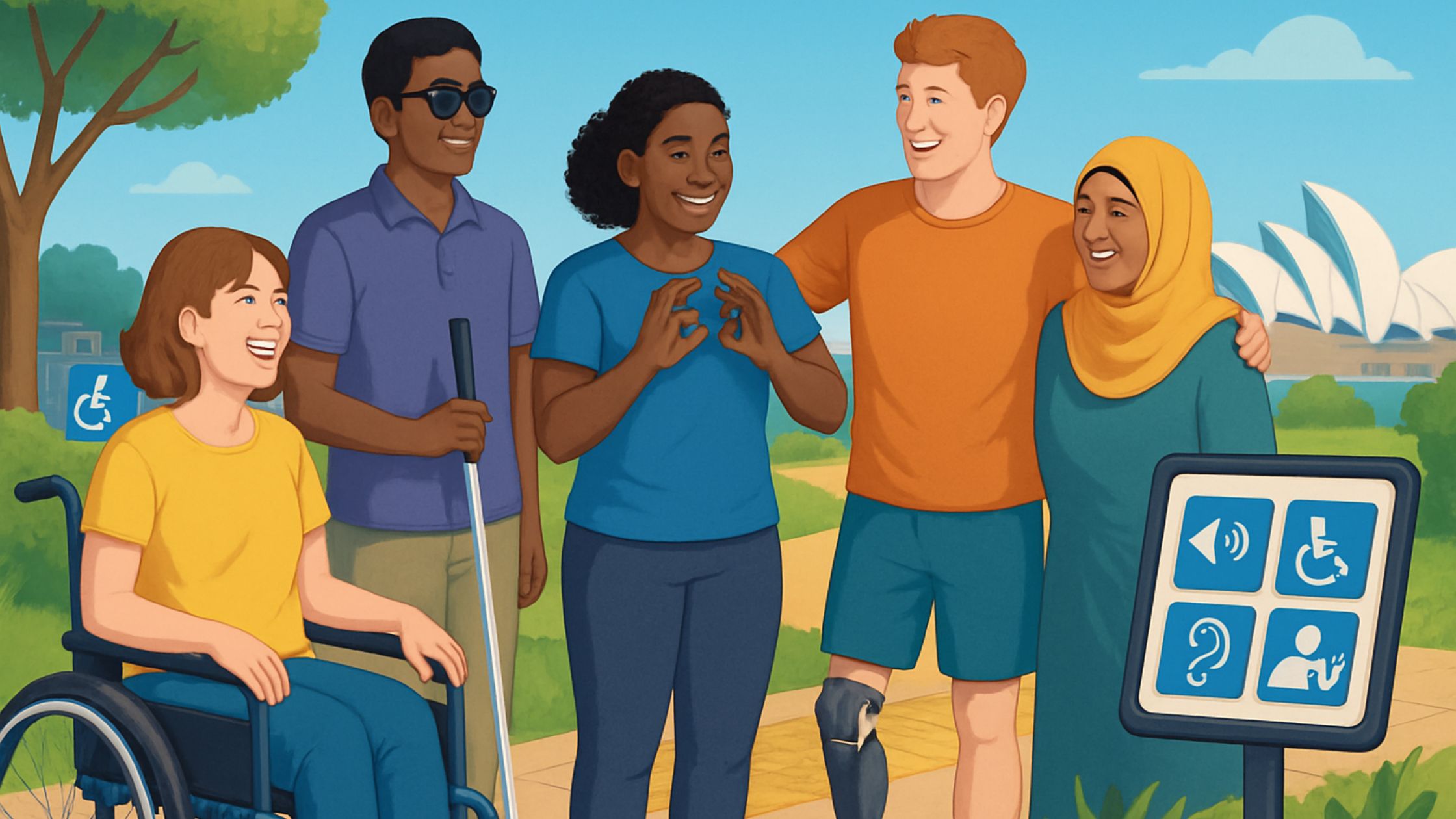
Disability rights were in the global spotlight earlier this year at the 2025 Global Disability Summit in Berlin. Thousands of government leaders, disability advocates, and United Nations representatives gathered to push for stronger commitments to inclusion worldwide.
A major outcome of the Summit was the Amman-Berlin Resolution, endorsed by more than 80 countries including Australia. This resolution introduced a bold new target: by 2028, at least 15% of all international development programs must directly focus on disability inclusion.
This is often referred to as the “15% for the 15%” target, recognising that people with disabilities make up at least 15% of the global population. While many programs already aim to “mainstream” disability inclusion, experts agree that targeted initiatives are still essential. People with disabilities face unique challenges and barriers that require more than just general inclusion efforts.
What Are the Preconditions for Disability Inclusion?
NDIS transport funding is dedicated support for participants who can’t use public transport due to disability. This funding helps cover the reasonable and necessary costs of getting you to work, education, appointments, or social activities. It gives you the freedom to live your life beyond your front door, in ways that matter to you.
Note: Routine transport provided by family or friends and typical everyday trips usually aren’t covered. Funding focuses on travel that helps you achieve your goals.
Who Is Eligible for NDIS Transport Funding in Victoria?
To make sure this global target leads to real change, the focus is on meeting what’s known as the “Preconditions for Inclusion”. This framework was first highlighted by the Pacific Disability Forum and is now shaping disability policy worldwide, including through Australia’s International Disability Equity and Rights Strategy.
The preconditions are the key building blocks needed to create a fair, accessible, and empowering society for people with disability. Without these, even well-designed inclusive programs can fall short.
Some of the biggest barriers people with disabilities face include:
Lack of access to assistive technology or essential support services.
Inaccessible transport, roads, footpaths, or communication systems.
Negative community attitudes and discrimination that limit participation.
Limited awareness of legal rights and protections against discrimination.
Extra costs of living with disability without proper financial support.
These are not just personal challenges—they are structural barriers that prevent equal participation in everyday life.
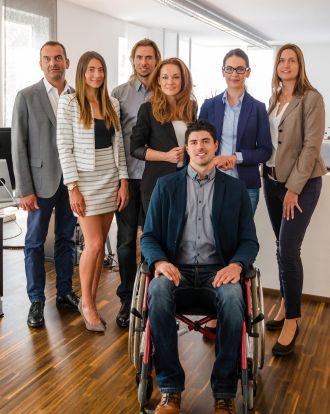


Key Elements of Disability Inclusion
The core preconditions for disability inclusion focus on:
Accessibility – ensuring spaces, services, and systems are inclusive.
Assistive Technology – providing tools that support independence.
Support Services – enabling participation with dignity and choice.
Non-Discrimination – protecting rights at all levels of society.
Some organisations also expand these to include community-based inclusive development, social protection, inclusive budgeting and data, and empowerment through participation.
When these elements are missing, barriers remain—even in programs that try to include people with disabilities. That’s why both disability-targeted initiatives and mainstream inclusion practices are needed.
Why This Matters for Australia and the NDIS
Australia has already shown global leadership by embedding disability inclusion across its aid programs. But these global lessons are also highly relevant at home, particularly through the NDIS (National Disability Insurance Scheme).
For real progress, inclusion efforts must go beyond accessibility in a single service or event. They need to address the bigger picture—ensuring people with disabilities have equal opportunities to education, employment, healthcare, and community life.
Examples of precondition-focused efforts include:
Training more sign-language interpreters.
Reforming policies to legally recognise Auslan.
Introducing building codes that make spaces fully accessible.
These changes create long-term impact and support full participation for people with disability—something the NDIS is designed to achieve in Australia.
Moving Forward
The Amman-Berlin Declaration makes one thing clear: disability inclusion matters in every sector. For people with disability to live independently and equally, both mainstream inclusion and targeted initiatives must go hand in hand.
At its heart, this is not just about global targets—it’s about ensuring that every person, no matter their abilities, can live with dignity, independence, and choice.
Frequently Asked Questions
Q: What does disability inclusion mean in Australia?
Disability inclusion ensures people with disability have equal access to services, opportunities, and community life without barriers or discrimination.
Q: How does the NDIS support inclusion?
The NDIS funds supports such as assistive technology, therapy, and community participation to help people with disability live independently.
Q: What are the “preconditions for inclusion”?
Preconditions are essential foundations like accessibility, assistive technology, support services, and legal protection that make equal participation possible.
Q: Why is accessibility so important?
Accessibility removes barriers in transport, buildings, information, and services, allowing people with disability to fully participate in everyday life.
Q: How can I find the right NDIS provider?
You can search the NDIS provider list online or reach out to local registered providers who deliver tailored support based on your needs.
Book a Consultation
It’s easy and free!