Discover how 2025 NDIS reforms are transforming disability inclusion in Australia, empowering lives through improved access, support, and opportunities nationwide.

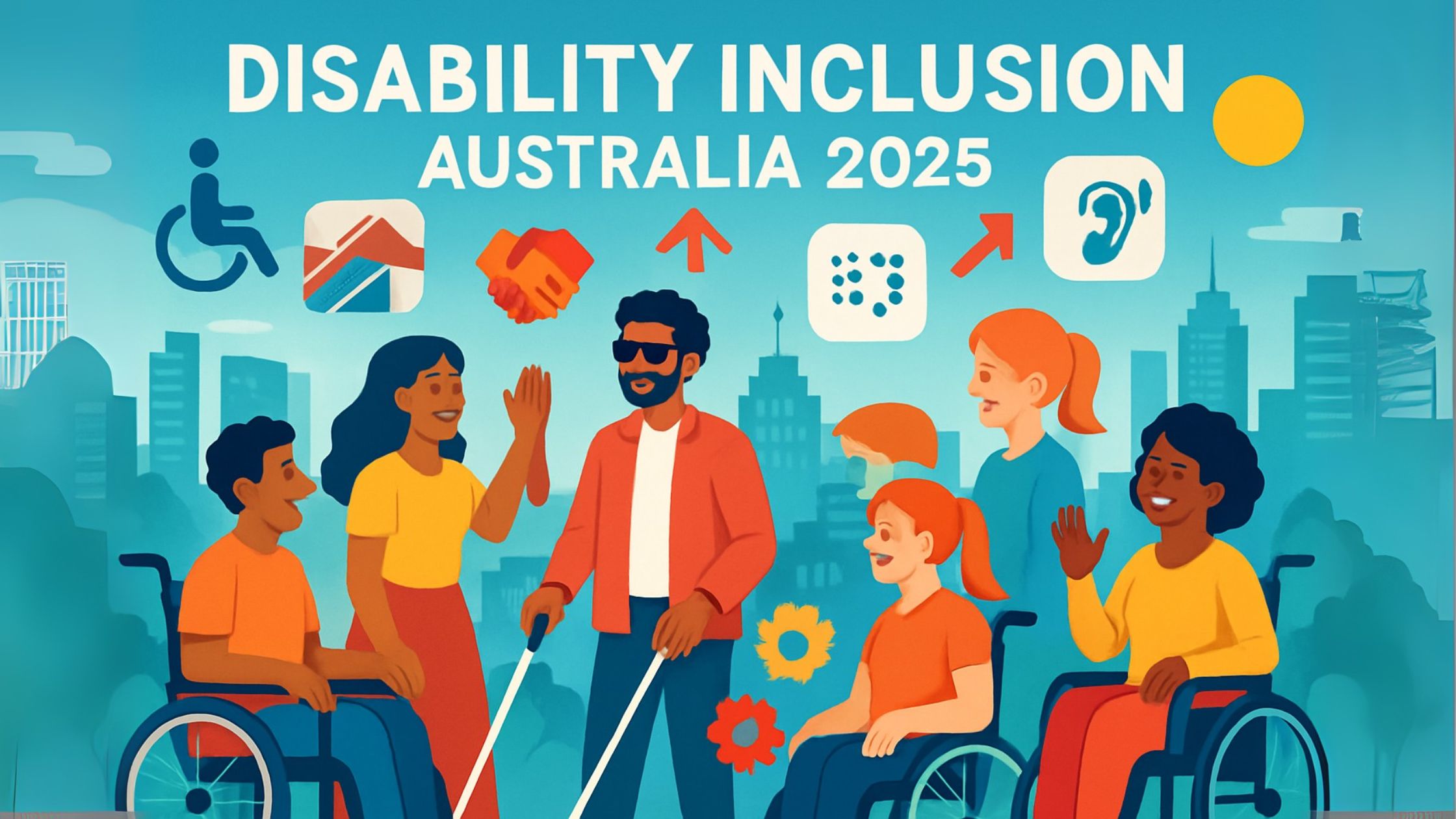
In recent years, disability inclusion has shifted from being a niche policy conversation to a central part of Australia’s social, economic, and community agenda.
With the 2025 National Disability Insurance Scheme (NDIS) reforms in place, the conversation is no longer just about “access” — it’s about creating a society where everyone, regardless of ability, can participate fully and equally.
These changes aren’t just words on paper. They are already reshaping opportunities, improving support, and breaking down barriers for thousands of Australians living with visible and hidden disabilities.
Why 2025 Is a Turning Point for Disability Inclusion
The year 2025 marks a decisive step forward for disability rights and inclusion in Australia.
Government reforms have moved away from “one-size-fits-all” approaches to more personalised and responsive systems, particularly through the NDIS. At the same time, workplaces, schools, and public spaces are evolving to accommodate diverse needs.
What makes this year different is that disability inclusion is no longer treated as a charitable act but as a fundamental right. It’s about equity, dignity, and opportunity — and it’s happening now.
What Disability Inclusion Really Means in 2025
When we talk about disability inclusion, most people picture wheelchair ramps and accessible parking. While these remain essential, true inclusion runs much deeper. It includes:
Social Inclusion – Building communities where people with disabilities are valued contributors.
Economic Inclusion – Creating pathways for employment, entrepreneurship, and financial independence.
Digital Inclusion – Ensuring access to technology, online services, and digital communication tools.
Australia’s approach in 2025 embraces all these areas, recognising that inclusion is about breaking every kind of barrier — physical, cultural, and systemic.
The NDIS in 2025 – A Smarter, More Participant-Focused System
The NDIS remains at the heart of Australia’s disability support structure, but in 2025, it’s leaner, more efficient, and more responsive to participant needs.
Reforms have introduced clearer eligibility processes, faster approvals, and better alignment of support plans with individual goals.
For many, the NDIS is no longer just a funding mechanism; it’s a life enabler — giving people the tools, resources, and confidence to live independently, pursue careers, and connect with their communities.


Key 2025 Reforms Driving Real Change
The most significant improvements in disability inclusion this year have come from targeted reforms. Some highlights include:
Simplified Application & Eligibility
Lengthy waiting periods have been one of the biggest frustrations for NDIS applicants. The 2025 changes have streamlined documentation, introduced online verification tools, and reduced processing times significantly.
Increased Support for Hidden Disabilities
Conditions like autism spectrum disorder, mental health challenges, and chronic illnesses often went under-supported in the past. Now, funding allocations better reflect the needs of these participants, ensuring they receive the same opportunities for independence and quality of life.
Technology-Driven Assistance
From AI-powered communication tools to advanced mobility devices, the NDIS is now integrating more assistive technology into participant plans. Telehealth sessions are more accessible, making therapy and medical consultations easier to manage, especially in rural areas.
Expanding the Care Workforce
More trained carers, therapists, and disability support workers mean that participants can access specialised care when and where they need it. Training programs have also expanded to upskill providers in modern, person-centred practices.
Strengthening Community-Led Programs
Local disability advocacy groups and community-led inclusion projects are now better funded and connected with NDIS frameworks, ensuring grassroots needs are heard and acted upon.
Real-Life Impact – Stories of Change
These reforms are already making a difference. For example:
Sarah, a young woman with multiple sclerosis, received faster approval for her assistive technology, allowing her to continue working from home without interruption.
Ahmed, a teenager on the autism spectrum, now has access to specialised therapy sessions in his regional town via telehealth, something that was nearly impossible before.
Such stories prove that the NDIS reforms are more than bureaucratic changes — they’re life-changing opportunities.
Challenges That Still Remain
Progress doesn’t mean perfection. While reforms are promising, some hurdles remain:
Uneven access in remote and rural regions
Occasional delays due to workforce shortages in high-demand areas
Ongoing need for public education to challenge stigma and stereotypes
Addressing these challenges will require sustained effort, collaboration, and investment beyond 2025.
The Role of NDIS Providers in a More Inclusive Australia
Registered NDIS providers are crucial in making these reforms effective on the ground.
In Melbourne and across Australia, providers are adapting to participant-led approaches, offering flexible services that respond to changing needs. This includes personalised care planning, home modifications, therapy programs, and employment assistance.
Strong partnerships between providers, communities, and local businesses are ensuring that inclusion is not just a government policy — it’s a lived reality.
How You Can Contribute to Disability Inclusion
Inclusion isn’t only the responsibility of policymakers and service providers. Individuals, workplaces, and community organisations all play a role:
Inclusive Hiring – Offering opportunities for people with disabilities to contribute their skills.
Accessibility Audits – Ensuring physical spaces and digital platforms are usable for everyone.
Advocacy & Volunteering – Supporting local disability groups or mentoring people with disabilities.
Small changes at the individual level create ripple effects that strengthen the broader inclusion movement.
Looking Ahead – Beyond 2025
If 2025 is about refining and improving the NDIS, the years ahead could be about innovation and integration.
Emerging technologies like AI-driven communication devices, robotics, and universal design principles are set to make everyday life more accessible. Social attitudes are also shifting — inclusion is increasingly seen as a shared value, not a special accommodation.
The next decade holds the potential for a truly barrier-free Australia.
Inclusion Is Everyone’s Business
The 2025 NDIS reforms mark a significant step towards a fairer, more accessible Australia. By streamlining access, embracing technology, and addressing diverse needs, these changes are already transforming lives.
But the journey doesn’t end here. Whether you’re a policymaker, a business owner, or a neighbour, you have a role to play in making inclusion a reality.
Together, we can ensure that disability rights are not just respected but celebrated — now and into the future.
Book a Consultation
It’s easy and free!