For people with a non-verbal communication disability, the right strategies, AAC tools, and NDIS support can open the door to connection, independence, and inclusion.

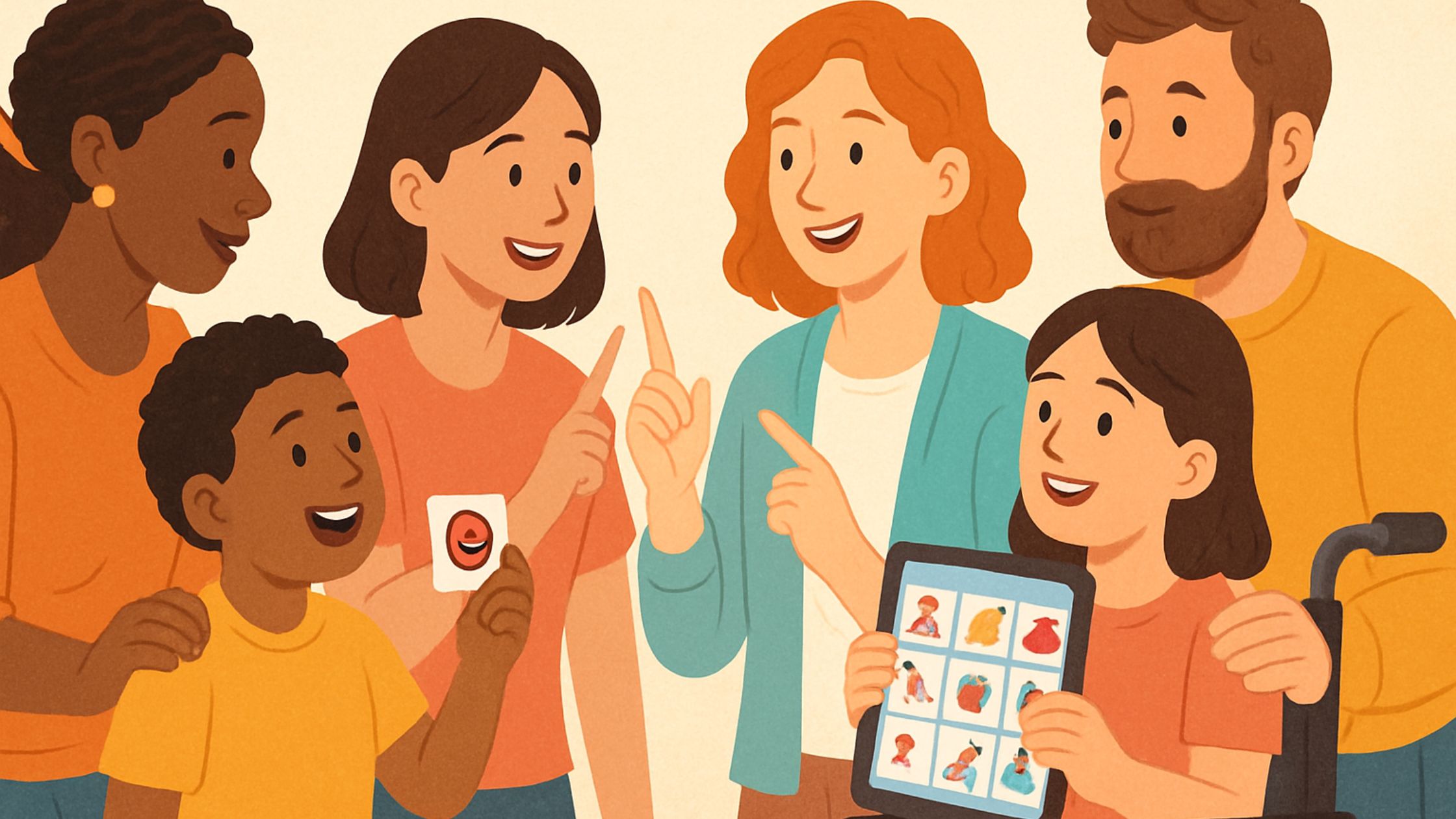
Supporting non-verbal individuals unlocks new avenues for connection, independence, and well-being. If you, a loved one, or someone you support experiences a non-verbal communication disability, this in-depth guide will help you understand, navigate, and advocate for effective support—especially within the NDIS framework.
What is a Non-Verbal Communication Disability?
A non-verbal communication disability means a person has limited or no use of speech to express themselves. This can result from various neurodevelopmental, physical, or acquired conditions, including autism spectrum disorder (ASD), cerebral palsy, Down syndrome, acquired brain injury, or progressive neurological disorders.
Common challenges non-verbal clients face:
Expressing needs, preferences, or emotions
Participating in social interactions or learning environments
Accessing services or advocating for rights
The Power of Non-Verbal Communication
Communication goes far beyond words. Non-verbal individuals often communicate through:
Gestures, facial expressions, and eye gaze
Body language, posture, and proxemics (use of space)
Vocalizations (without forming words), tone, and pacing
Visual aids or tactile signals
These cues allow for meaningful expression—even without speech. Recognizing and supporting these methods is essential for building rapport and ensuring participation.



Key Strategies for Supporting Non-Verbal Clients
Effective support isn’t just about the tools; it’s also about the approach:
Build Trust and Rapport: Use consistent, respectful body language. Offer presence and patience. Avoid rushing or speaking over the person.
Observation is Key: Carefully watch for personalized non-verbal cues—each individual may use gestures or facial expressions differently.
Consistent Communication Approaches: Families, carers, and support workers should be on the same page. Uniformity helps the client feel safe and understood.
Encourage All Communication Attempts: Reward and validate any effort to communicate—whether it’s a look, nod, picture, or gesture.
Empower Choice and Control: Wherever possible, offer choices using visuals, photos, or objects, so clients can take the lead.
Communication Tools and Technologies That Empower
Choosing the right communication tools is vital. Options range from simple to high-tech and should always be tailored to the person’s needs.
Low-tech AAC (Augmentative and Alternative Communication):
Communication boards or books
Picture cards (PECS system, for example)
Choice-making symbols
High-tech AAC:
Speech generating devices (SGDs)
Dedicated communication apps for tablets and smartphones
Eye-gaze technology for those with limited mobility
“Talking Mats” and interactive storyboards
Tip: The best tools match the user’s physical abilities, cognitive skills, and preferences. Consult a speech pathologist for an individualised assessment.
The Role of Speech Pathologists and Allied Health Professionals
Professionals form the backbone of effective communication support under the NDIS:
Assessment and recommendation of appropriate AAC devices
Training for individuals, families, and support teams
Customised therapy plans addressing language, motor, and social skills
Interdisciplinary collaboration (speech pathologists, occupational therapists, educators) ensures holistic and sustainable support for each unique client.
Accessing Support Through the NDIS
The NDIS (National Disability Insurance Scheme) funds communication-related supports, including:
Therapies with speech and allied health professionals
Communication aids, devices, and assistive technology
Training for users, families, and support staff
Advocacy services to help express preferences and protect rights
How to access these supports:
Ensure communication is listed in your NDIS goals and plan
Obtain recent assessments outlining needs and recommended supports
Speak directly to your NDIS planner about funding for communication
Ethical Considerations: Consent and Autonomy
Non-verbal adults and children have the right to autonomy and self-determination. Strong communication support:
Ensures individuals can consent to or refuse activities and care
Protects dignity and minimizes frustration
Prioritizes the person’s preferred way of communicating
Case Study: Unlocking Expression
Lisa, a 7-year-old with severe cerebral palsy, was mostly non-verbal. After a speech assessment and trial with a tablet-based AAC app funded by the NDIS, Lisa began using picture cards to choose her lunch and express feelings. Her family reports more engagement and less frustration at home—and Lisa’s confidence continues to grow.
Practical Tips for Families and Support Workers
Establish predictable routines, so communication is easier to anticipate
Create a “communication-friendly” environment—use visuals, keep tools accessible
Celebrate every small communication breakthrough to boost confidence
Remain patient: Progress may be gradual, but consistency pays off
Stay connected with your professional team for ongoing support
Developing communication skills in non-verbal clients changes lives. With the right strategies and support—particularly under the NDIS—individuals can participate more fully, make choices, and connect meaningfully with the world.
Ready to support a non-verbal loved one? Consider booking a consultation with a qualified speech pathologist, or explore our resources for families and support teams.
Book a Consultation
It’s easy and free!