Explore how assistive technology and AI are transforming NDIS disability support, boosting independence, communication, safety, and opportunities for participants.


The National Disability Insurance Scheme (NDIS) has revolutionized disability support in Australia, giving individuals with disabilities greater choice, control, and tailored services than ever before. In 2025, assistive technology (AT) and artificial intelligence (AI) are increasingly enhancing independence, well-being, and opportunities for NDIS participants. These innovations expand possibilities for daily living and reshape how providers deliver support, making services smarter, more responsive, and inclusive. This blog explores how AT and AI are transforming lives under the NDIS and what this means for participants and providers alike.
What is Assistive Technology and AI in Disability Support?
Assistive technology refers to devices, products, and systems that help people with disabilities perform tasks that might otherwise be difficult or impossible. Examples include mobility aids like powered wheelchairs, prosthetics, speech-generating software, hearing aids, and smart home systems that automate lighting, temperature, and security.
Artificial intelligence refers to machines or software that simulate human intelligence, enabling learning, reasoning, and decision-making. In disability support, AI can personalize services by analyzing individual needs, powering adaptive communication tools, or predicting health and safety risks. When combined, AT and AI create intelligent support systems that adapt in real-time to enhance participation and autonomy.
Key Innovations in Assistive Technology and AI in 2025
The pace of innovation in 2025 is remarkable. AI-powered communication devices now offer natural, responsive interactions, helping those with speech impairments connect more comfortably. Wearable sensors monitor vital signs and detect falls or fatigue, sending instant alerts to caregivers.
Smart home ecosystems allow participants to control appliances, doors, and entertainment systems with voice or gestures. AI-driven therapy platforms provide personalized rehabilitation exercises at home, offering real-time feedback. The NDIS increasingly funds these advanced technologies, recognizing their potential to enhance independence and reduce reliance on in-person support.


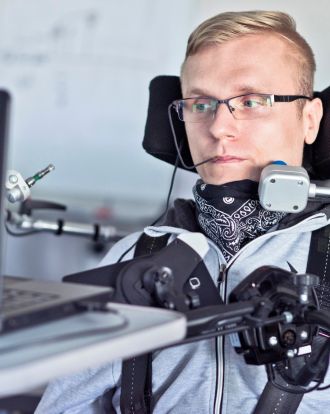
Impact on NDIS Participants
AT and AI integration gives participants more choice and control over daily living. Enhanced mobility, communication, and safety tools make everyday activities easier and more enjoyable.
For instance, AI-based augmentative communication apps help participants express themselves clearly, improving social interactions and mental health. Others use AI-monitored health devices that alert them to medication schedules or potential health issues before they escalate. These technologies also support education, employment, and social engagement, fostering greater inclusion and confidence.
What This Means for NDIS Providers
Providers face both opportunities and challenges as technology transforms disability support. Offering innovative AT and AI solutions differentiates providers in a competitive market, attracting participants seeking modern, effective services.
However, staying current requires training staff, investing in technology, and ensuring compliance with funding and quality standards. Digital tools such as telehealth platforms and electronic records further improve service delivery and participant engagement. Providers who embrace these tools enhance outcomes while expanding their offerings.
Challenges and Considerations
Despite their potential, AT and AI come with barriers. Affordability and equitable access remain concerns, particularly in rural or remote areas with limited digital infrastructure. Both participants and providers must have digital literacy to use these technologies effectively.
Privacy and data security are critical, as AI systems handle sensitive personal and health information. Ethical considerations, including transparency and bias-free AI decisions, are essential to maintain trust. Continuous training and support help participants and providers overcome these challenges and maximize benefits.
Future Directions and Policy Outlook
The NDIS and broader Australian disability strategy prioritize innovation in assistive technology and AI. Planned funding initiatives aim to increase accessibility, stimulate research and development, and promote collaboration among tech developers, providers, and disability advocates.
Policies emphasize ethical AI integration and participant input in technology design. As these tools mature, their integration with health, education, and employment sectors will strengthen, providing more seamless support.
How to Access and Maximize Assistive Technology and AI Support Under the NDIS
Participants should review their NDIS goals and discuss potential technologies with planners and providers. Exploring funding options and trial opportunities can help them access new assistive tools.
Providers should pursue training on innovative products and familiarize themselves with NDIS digital support guidelines. Partnerships with tech developers and attending industry forums help maintain cutting-edge service delivery. Online resources and government portals also provide information and support networks focused on assistive technology.
Assistive technology and AI are transforming disability support under the NDIS in 2025, offering unprecedented opportunities for independence, inclusion, and quality of life. For providers, adopting these innovations is both a strategic advantage and a commitment to future-focused care. Engaging with AT and AI today is a vital step toward a more inclusive and empowering environment for all participants.
Book a Consultation
It’s easy and free!