The right policies can mean the difference between hope and hardship for disabled people. This blog looks at how basic rules around home, work, and care impact their daily lives and mental health.

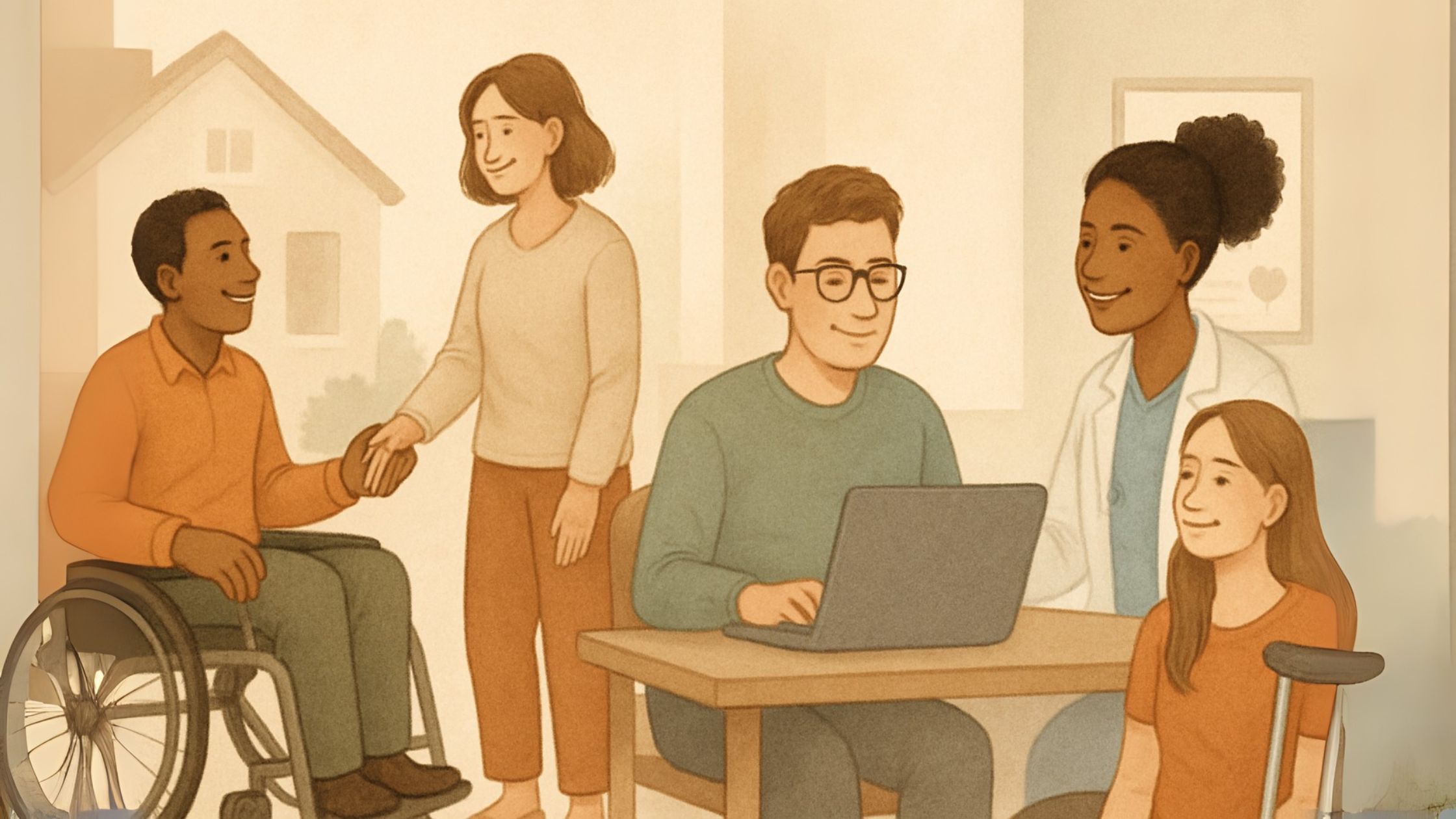
Let’s be honest—life with a disability is hard enough without the extra hurdles thrown up by rules, red tape, and “one-size-fits-all” systems. If you’ve ever felt weighed down by the struggle to find affordable housing, a steady job, or the healthcare you need, you know those challenges aren’t just paperwork—they’re personal. And behind every statistic is a real person, with fears, dreams, and the need to feel safe and included.
Why Policy Feels So Personal
Mental health touches every part of our lives. It’s about laughing with friends, feeling secure at home, showing up to work with your head held high, or finally seeing a doctor who “gets it.” For people with disabilities, all of that depends on more than just personal strength—it depends on the policies that shape our daily world.
When policies work for us, they make things possible. When they don’t, even the basics become exhausting, lonely, and sometimes impossible. Let’s walk together through housing, jobs, and healthcare—because these aren’t just “issues.” They’re lifelines
Housing Policy & Mental Health: “Am I Welcome Here?”
Home is supposed to be your sanctuary, the place where you feel safe and at peace. But if you have a disability, finding a home can feel like an Olympic sport—one where the finish line keeps moving.
When Housing Policy Gets It Right: If your city helps fund accessible apartments, or enforces rules against discrimination, suddenly you’re not just grateful—you can plan, make friends, and feel like you belong.
When It Goes Wrong: Long waitlists, sky-high rent, or landlords who “just don’t have ramps”—these daily struggles chip away at your confidence, increase anxiety, and can even trap you in unsafe situations.
I’ll never forget a friend who, after months bouncing between relatives’ couches, finally got a wheelchair-accessible apartment. She told me, “I slept through the night for the first time in ages.” That’s the transformative power of housing policy.



Employment Policy & Mental Health: “Can I Bring My Whole Self to Work?”
Work isn’t just a paycheck. It’s pride, purpose, and the chance to contribute. Good policy can lift people up—bad policy can shut doors before you even get to knock.
When Things Go Right: Laws that ban discrimination and require accommodations level the playing field and encourage employers to see your talent first. Being part of a team, getting recognized for your work, can be a huge boost for your mental wellbeing.
When Things Go Wrong: If you’re passed over for jobs, denied simple adjustments, or kept out because an employer doesn’t understand “invisible” disabilities, every rejection stings a little deeper. Unemployment doesn’t just hurt your bank account—it can eat at your self-esteem too.
The reality? Disabled workers still face double the unemployment rate of others. But when people get the chance, they shine—and their mental health soars right along with their careers.
Healthcare Policy & Mental Health: “Will I Get the Care I Deserve?”
Doctor’s office dread is real—especially if you’ve rolled (or crawled, or phoned) up to clinics that aren’t accessible, or been told, “Sorry, that’s not covered.”
When Policy Works: Expanded insurance, clinics that have ramps and easy scheduling, mental health counselors who care—these take a huge burden off people’s minds.
When Policy Fails: Long waits, big copays, and doctors who don’t listen. You start feeling unseen and unheard. For some, just getting medications or therapy is a fight that never ends.
In countries where counseling and therapy are part of health coverage, people with disabilities get the support they need—and it shows in lower crisis rates and better day-to-day wellbeing.
When Policies Collide: The Domino Effect
If life feels like a game of Jenga, you’re not alone. Losing housing can put your healthcare in jeopardy. Losing your job can mean losing your sense of self and even your insurance. These stresses pile up, reinforcing each other, until it feels like you’re being buried under “can’ts” and “maybes.” That’s why we need policies that connect the dots, not just patch holes.
Stories from the Real World
In the U.S., the Fair Housing Act says “no discrimination”—but loopholes and lazy enforcement force many people to fight for even a basic chance.
In the U.K., there’s a campaign hiring people with disabilities, but real inclusion is still slow.
In Canada, some provinces offer great support, but you can still wait ages for the care you need, depending on your address.
No matter where you are, there’s no such thing as a “one-policy-fixes-everything” solution.
What Can We Do? (Yes, YOU)
This isn’t just about lawmakers. It’s about all of us raising our voices, pushing for smarter policy, and treating every story as if it were our own—or our loved ones’. Every time you vote, write an email, or share a story, you’re moving the needle.
Lobby for inclusive housing and workplace laws.
Push for better mental health coverage.
Support businesses that open their doors wide.
Start conversations, and don’t stop until everyone feels at home.
For people with disabilities, every rule, form, and policy isn’t abstract—it’s the difference between a life lived in the margins and a life that feels truly lived. We owe it to each other to create policies that don’t just keep people afloat, but help them thrive—with dignity, belonging, and hope.
Book a Consultation
It’s easy and free!